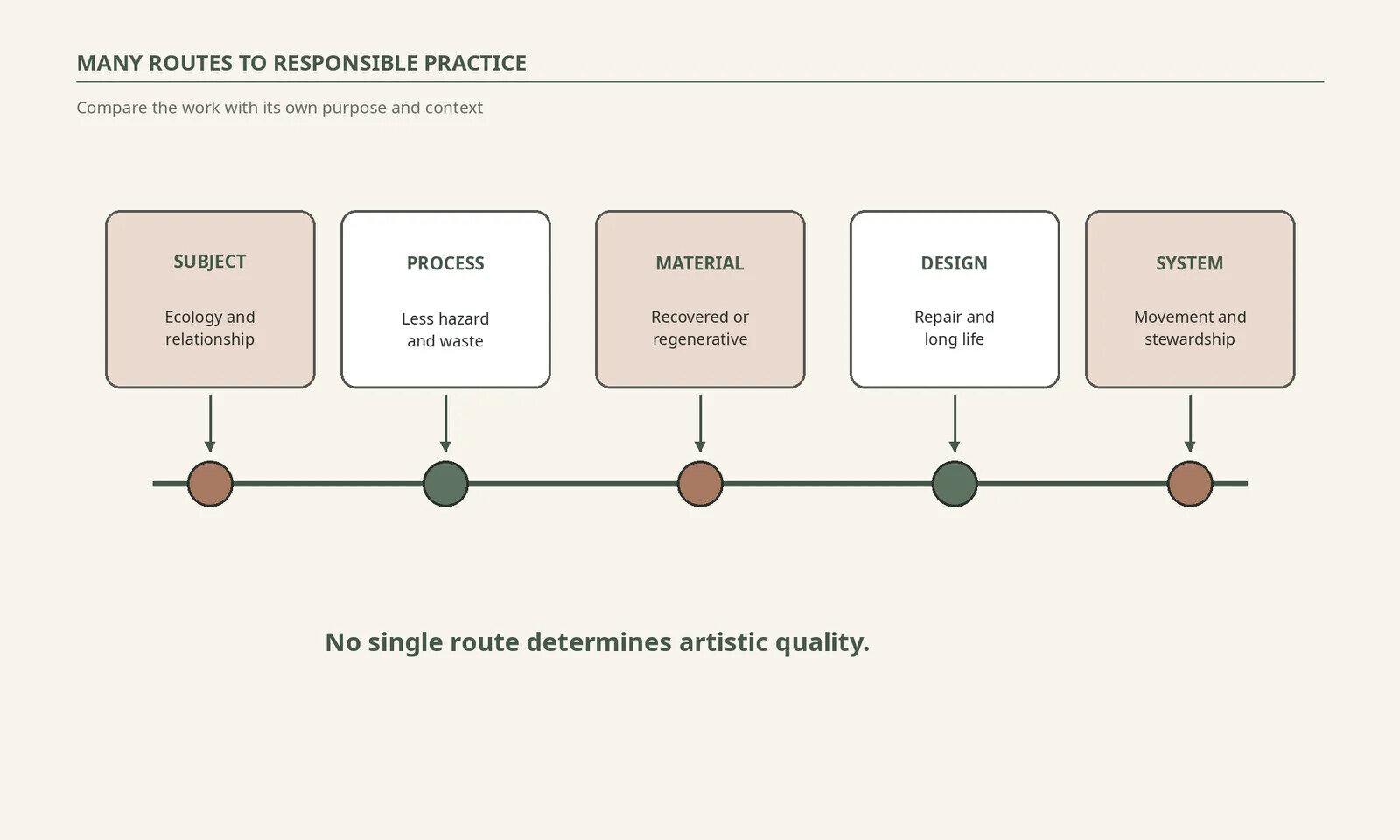
Collectors often ask which material or discipline is most sustainable. The question is understandable but rarely answerable in the abstract. A textile work, painting, ceramic sculpture and digital installation have different functions, lifetimes and production systems. Even within one medium, scale, formulation, waste, transport and care can outweigh the material name printed on a label.
A spectrum is more useful than a binary. One artist may have exceptional control of studio waste but undertake frequent international projects. Another may introduce a transformative material while relying on energy-intensive fabrication. A third may use familiar materials sparingly, avoid hazardous solvents and make work with a long expected life. Each can identify a meaningful next step without being declared wholly sustainable or unsustainable.
Regenerative and pollution-remediating practice
Reclaimed and recovered matter
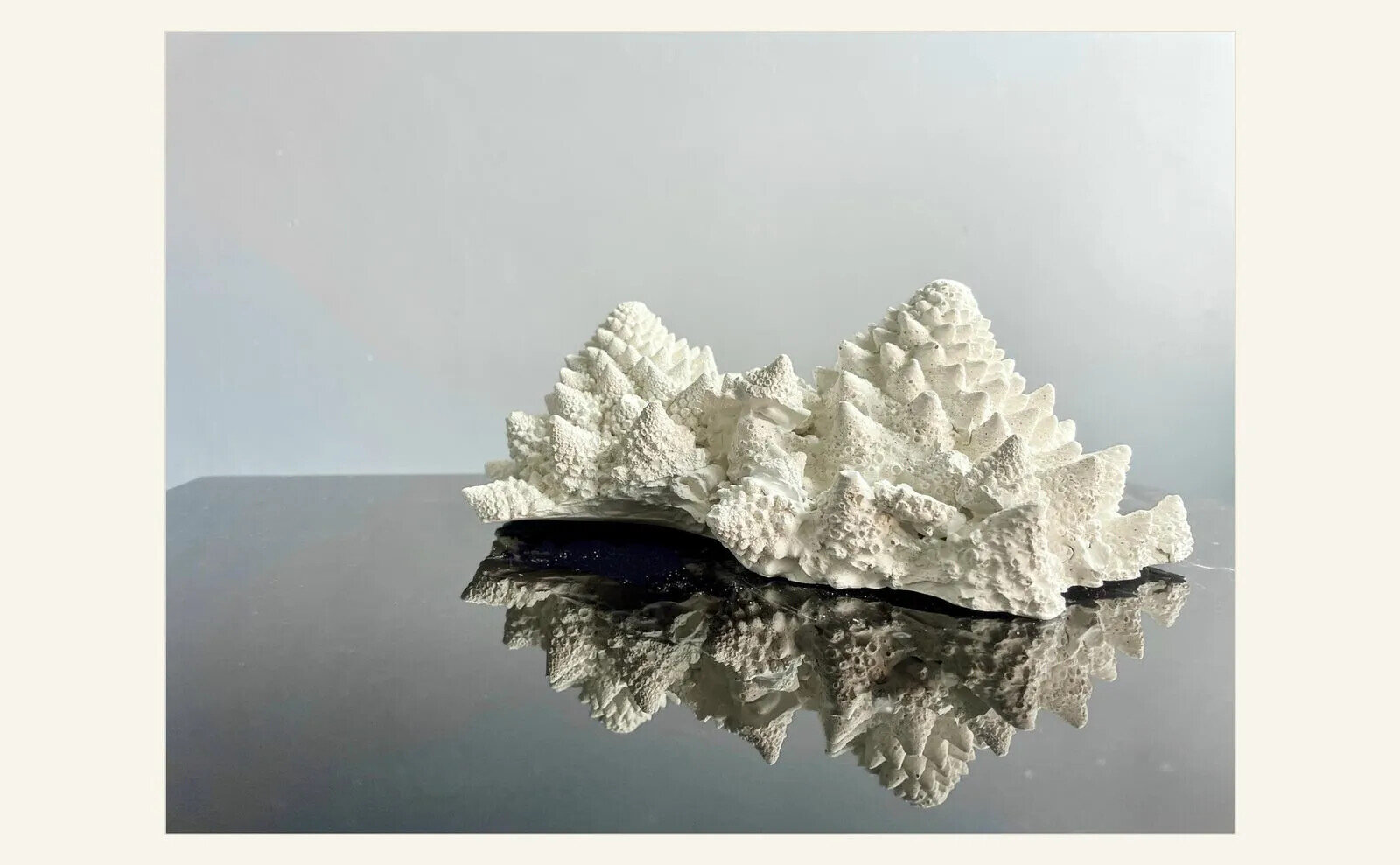
Reclaimed does not mean impact-free or automatically safe. Previous coatings, adhesives, biological contamination, embedded metal and unknown plastic formulations can complicate use and future care. The strongest practices identify what they can, isolate uncertainty and design the work so that the material’s previous life contributes to meaning rather than becoming a vague virtue claim.
Renewable and plant-based material
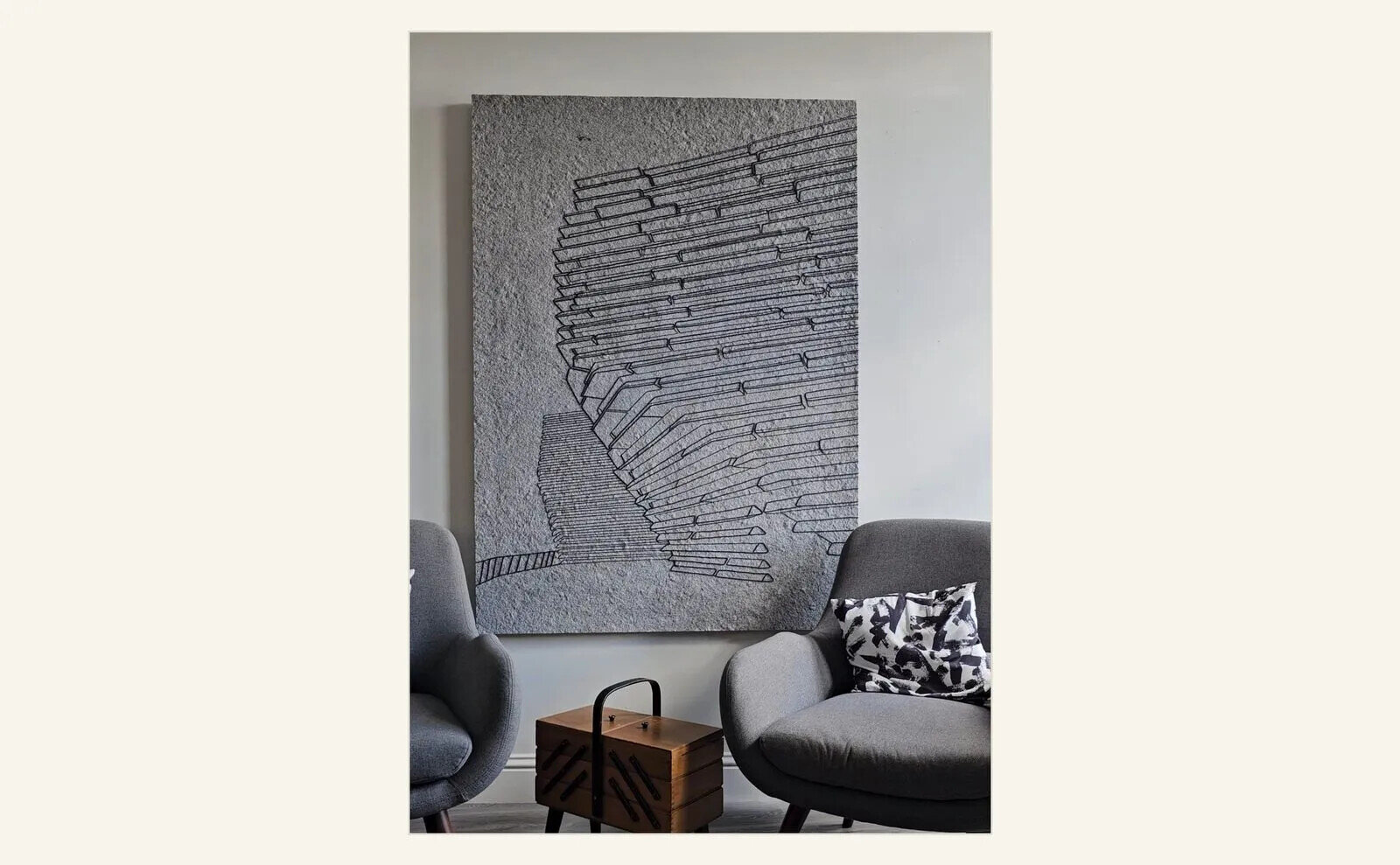
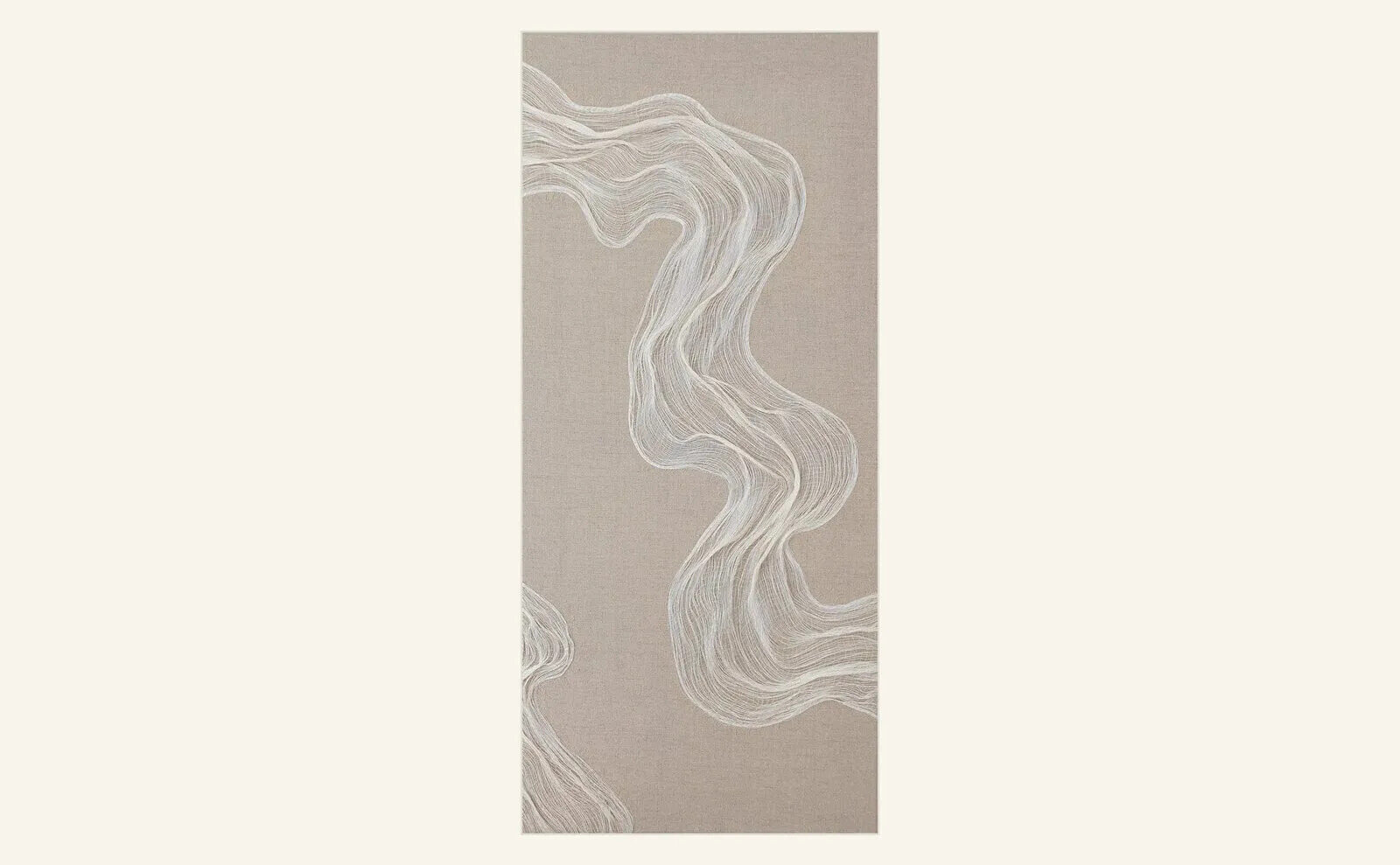
For collectors, fibre works invite practical questions about light, humidity, dust, support and expected movement. A material that relaxes or changes subtly may be behaving as intended. Good documentation distinguishes this from damage. Environmental responsibility and conservation are therefore connected: the artist’s knowledge of how the fibre should live becomes part of the acquisition.
Responsible use of established media
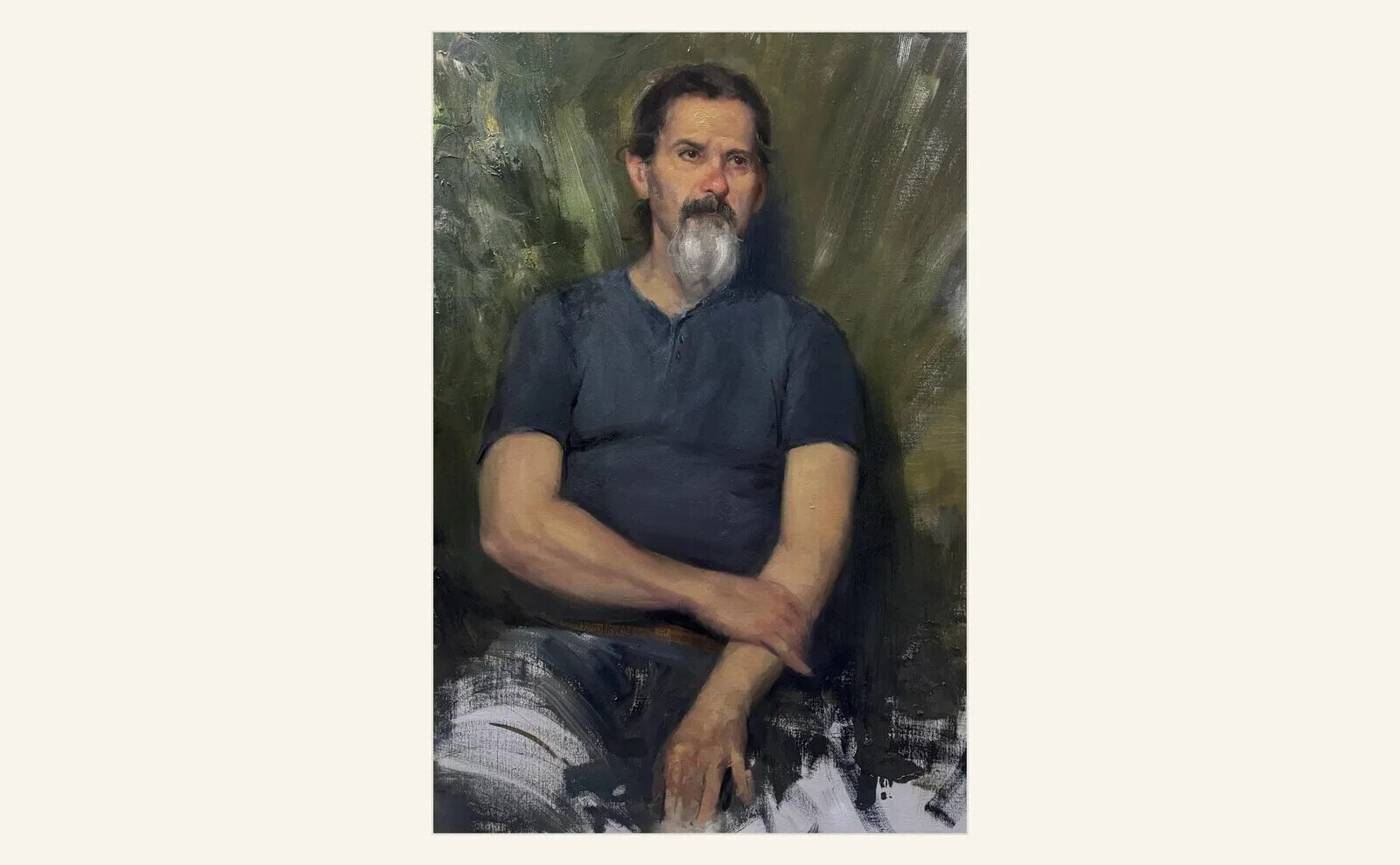
This quieter form of responsibility matters because the art world cannot be transformed only through exceptional new materials. Repeated decisions about cleaning, supports, quantity, failure, packaging and transport may have greater cumulative effect. They may also be easier for other artists and studios to adopt. Collectors who ask about process help make this work visible without requiring it to dominate the label.
Material truth in sculpture and ceramics
Environmental consciousness in subject and attention
Art’s cultural influence is difficult to measure, but difficulty does not make it imaginary. A collection shapes what is placed in view, discussed with guests, lent to institutions and preserved for future interpretation. The collector should nevertheless resist claims that a work changes the world merely because its subject is worthy. Cultural significance emerges through artistic force, context and sustained engagement.
The collector’s response to diversity
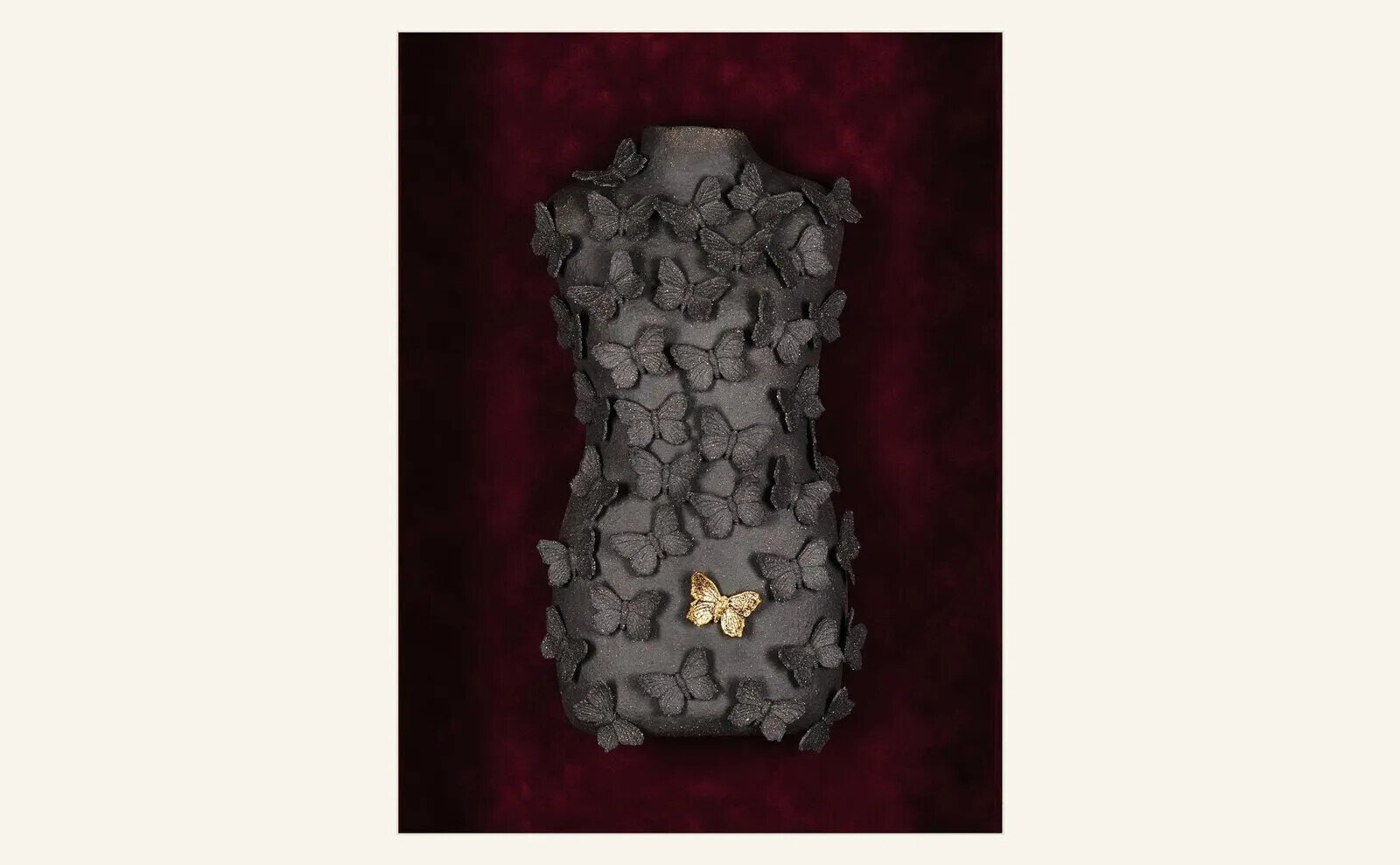
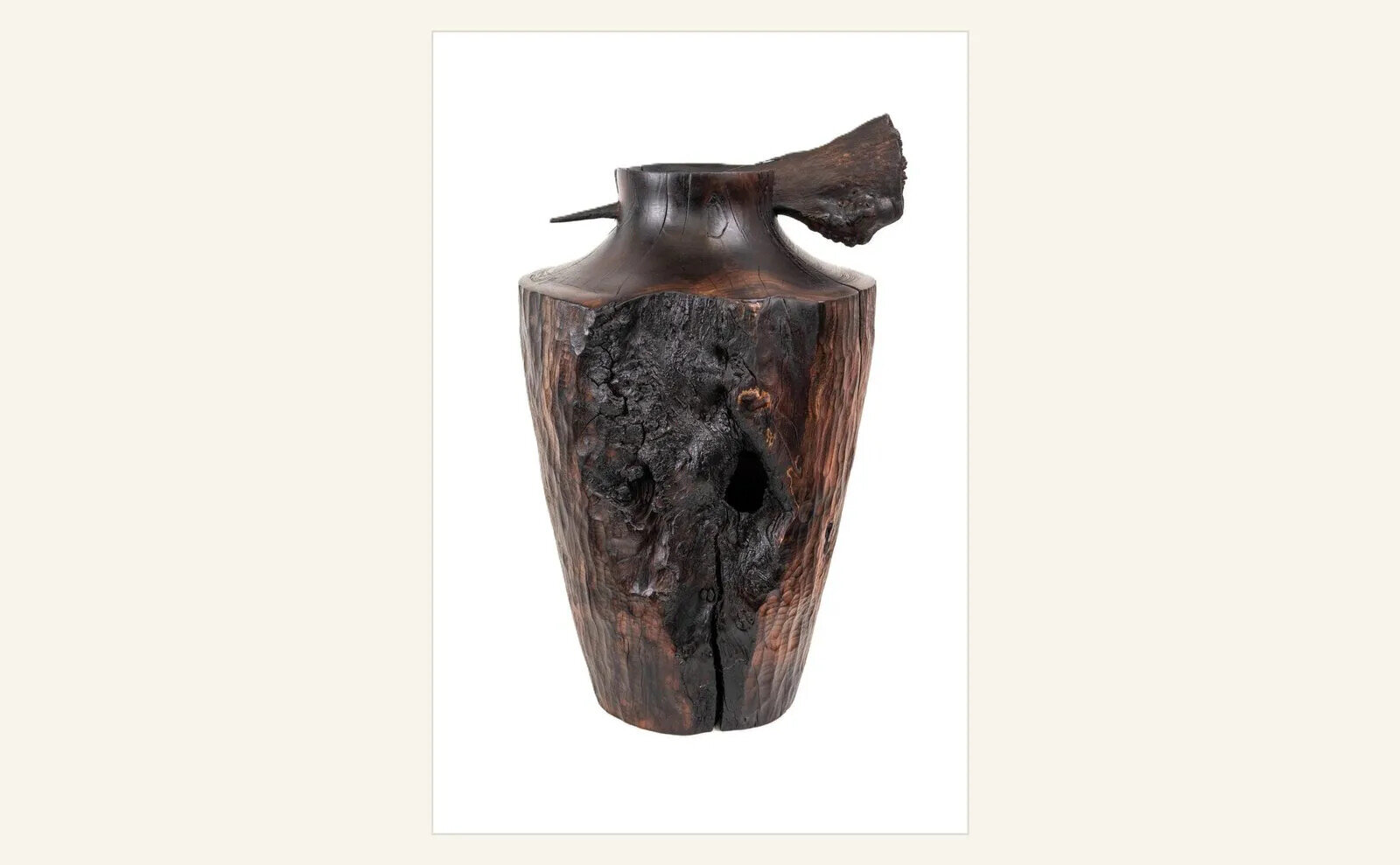
The diversity of sustainable practice calls for proportional enquiry. Ask the question that belongs to the work. For an acid mine drainage pigment painting, material origin and formulation may be central. For a reclaimed textile work, previous use, attachment and ageing may matter. For a ceramic sculpture, firing and handling are relevant. For a painting whose environmental responsibility lies mainly in solvent avoidance, there may be no reason to demand a complete product footprint.
This flexibility is not a lowering of standards. It is a more exacting form of attention. It replaces a universal checklist with informed judgement while still keeping evidence, care and artistic quality in view.
Frequently Asked Questions
What forms can sustainable artistic practice take?
It can include regenerative or pollution-remediating materials, reclaimed matter, plant-based fibres, responsible use of established media, materially attentive sculpture and ceramics, or environmental consciousness expressed through subject and sustained observation.
Is one sustainable artistic approach better than another?
Not automatically. The relevant question is whether the approach is coherent, proportionate, evidenced and artistically resolved. Collectors should assess each work in relation to its medium, scale, purpose and expected life.
What should collectors compare across different practices?
Continue exploring
The Collector’s Guide to Sustainable Art
This guide forms part of Sustainable Art’s independent, evidence-led library for artists, collectors and readers.