Predicting the future of art has always been a hazardous undertaking. Artistic movements rarely emerge according to plan, and the ideas that ultimately shape culture often begin quietly, on the margins, before gradually entering the mainstream. Yet it is possible to observe certain shifts taking place within contemporary art and to recognise that something significant is changing.
Questions of sustainability are no longer confined to specialist conversations or niche practices. They are increasingly influencing the way artists think about materials, process, collaboration and responsibility. They are also reshaping the expectations of audiences, collectors and cultural institutions. This does not mean that all contemporary art will become explicitly environmental, nor that every artist will approach sustainability in the same way. Rather, it suggests that sustainability is becoming an important lens through which many artists are reconsidering what it means to create meaningful work in the twenty-first century.
The future of sustainable art is therefore unlikely to be defined by a single movement or aesthetic. It will almost certainly be diverse, experimental and continually evolving. That diversity may prove to be one of its greatest strengths.
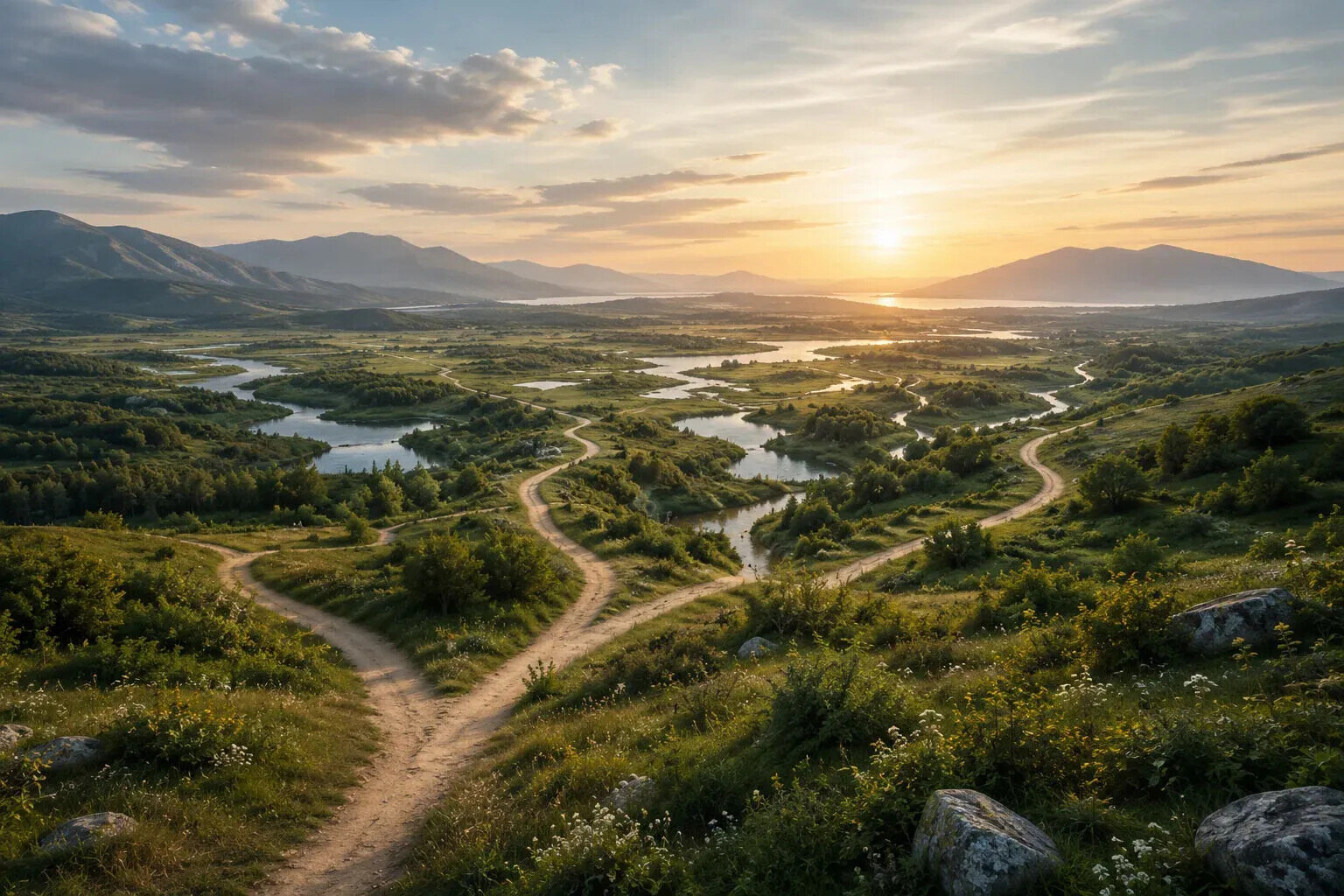
The future of sustainable art is unlikely to follow a single path. Instead, it is emerging through many different practices and possibilities, from material innovation and scientific collaboration to renewed forms of attention, ecological imagination and attentive making. Like a landscape of intersecting pathways, the future remains open, diverse and continually unfolding.
New Materials and New Possibilities
Throughout history, artistic innovation has often emerged through new materials and technologies. Oil paint transformed Renaissance painting. Photography altered perceptions of representation. Industrial materials reshaped sculpture during the twentieth century. Today, artists are once again experimenting with new possibilities. Increasingly, artists are exploring materials that respond to contemporary environmental concerns and challenge inherited assumptions about production and value. Scientific research, environmental technologies and material experimentation are opening entirely new creative territories.
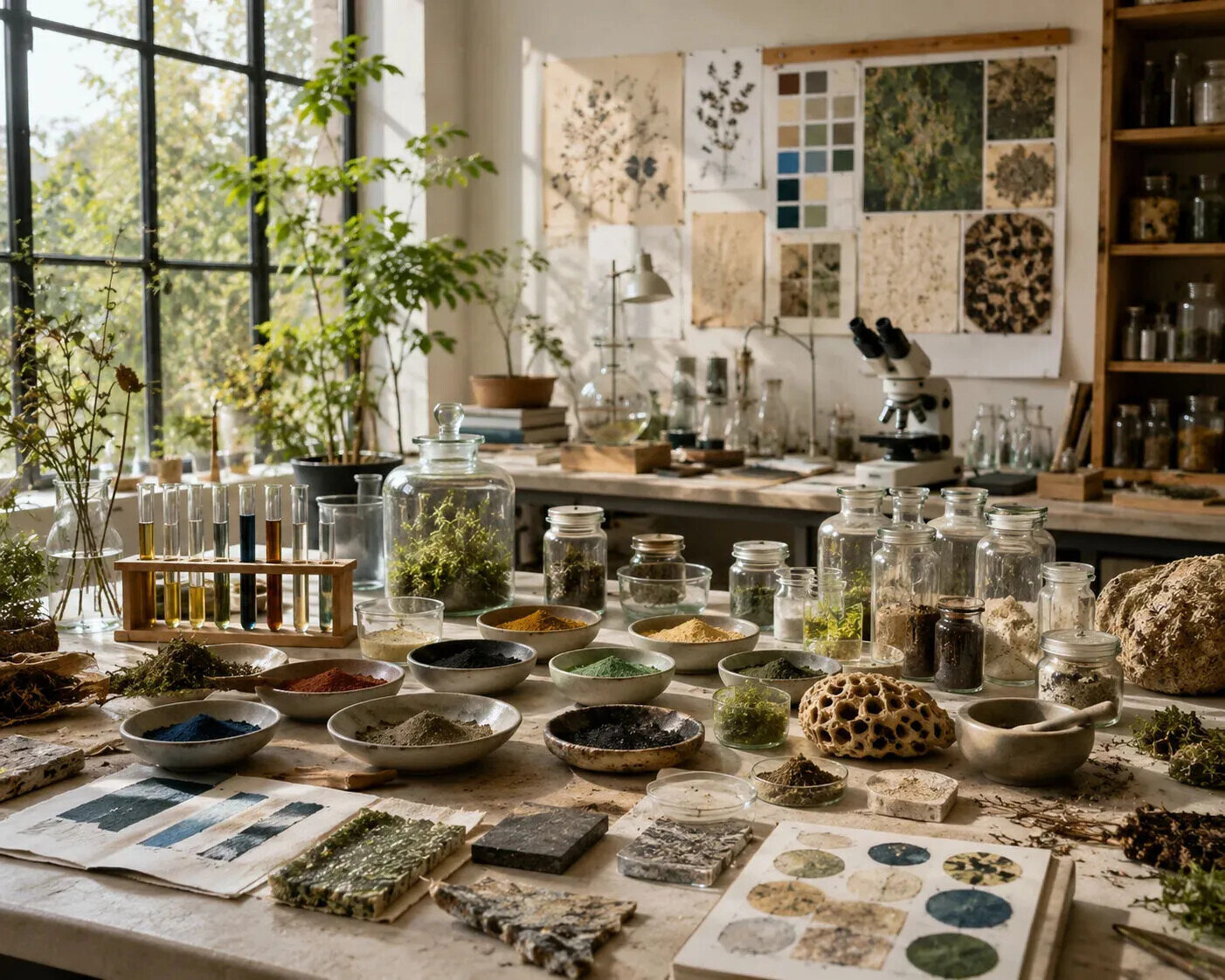
Contemporary artists are increasingly exploring new materials, environmental technologies and experimental processes that challenge inherited assumptions about how art can be made. Sustainability is not restricting creativity; rather, it is opening new possibilities for invention, collaboration and material discovery.
Art and Science as Creative Partners
One of the most significant developments within contemporary art is the growing importance of interdisciplinary collaboration. Artists increasingly work alongside scientists, ecologists, engineers and researchers, recognising that many of the questions facing society today are too complex to be approached from a single perspective. This shift is giving rise to extraordinary forms of creative exchange.
Reimagining Our Relationship with Nature
The future of sustainable art will not be shaped solely by new technologies or scientific partnerships. It will also depend upon artists' ability to help us imagine different relationships with the living world. Environmental challenges are, in many ways, challenges of perception and imagination. They ask us to reconsider how we understand landscapes, ecosystems and our place within them. Artists have a unique capacity to assist in this process.

Sustainable art invites us to see landscapes not as passive scenery but as living systems of extraordinary complexity and beauty. Through imagination and attentive observation, artists can help us develop deeper relationships with the natural world and envision new ways of inhabiting it.
The Return of Material Stewardship
These practices point towards a future in which sustainability is understood not simply as the adoption of different materials but as the cultivation of different relationships with the materials we already possess.
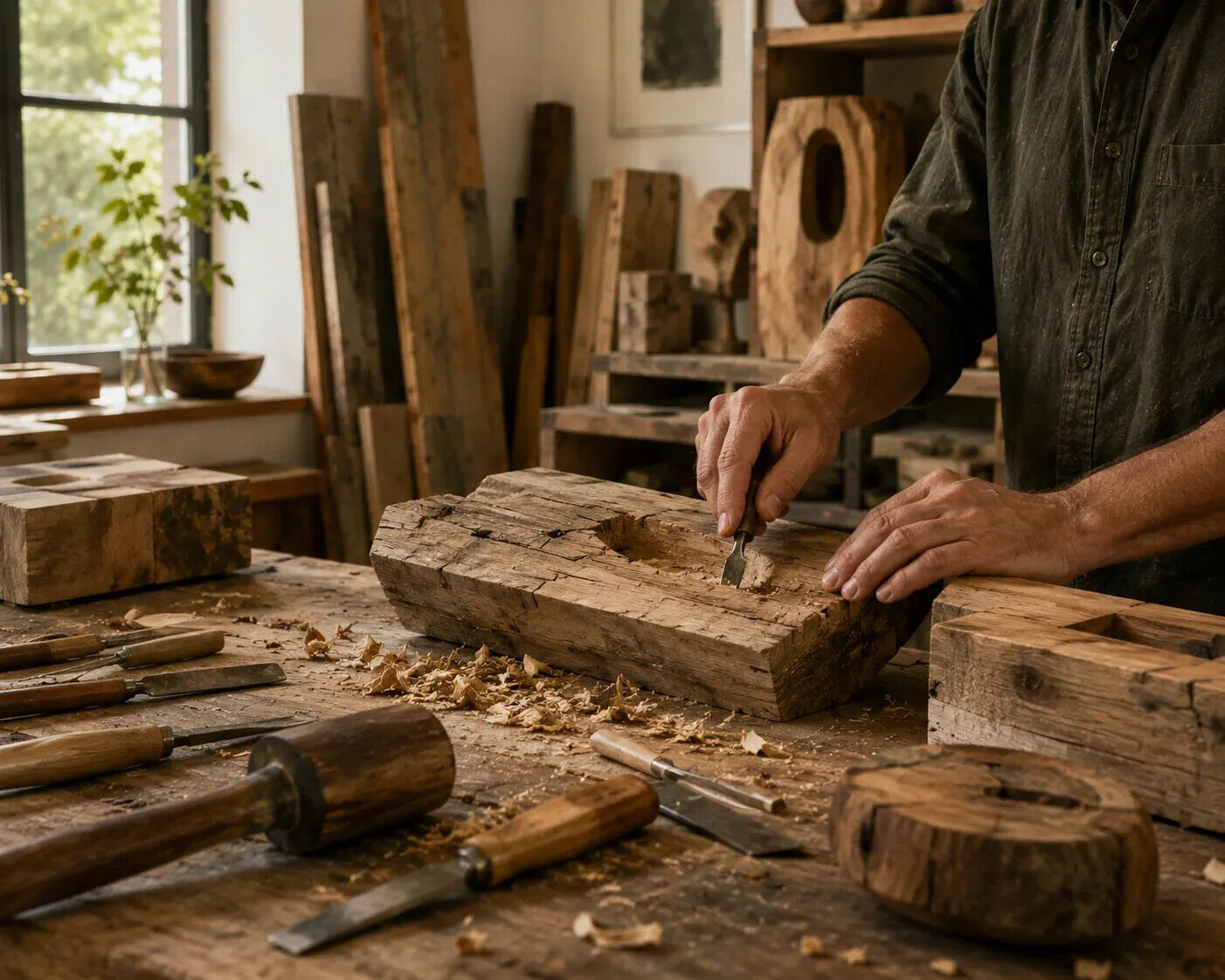
Many contemporary artists are rediscovering older forms of material knowledge and stewardship. By working thoughtfully with reclaimed and natural materials, they remind us that sustainability is not only about innovation but also about care, patience and a deeper understanding of the histories embedded within the substances we use.
The Importance of Attention
The future of sustainable art may also be shaped by something far less tangible: attention. Contemporary life is increasingly characterised by distraction, acceleration and fragmentation. Yet many artists continue to create works that ask us to slow down, to spend time looking and to remain present with complexity. This quality may become increasingly valuable in the years ahead.
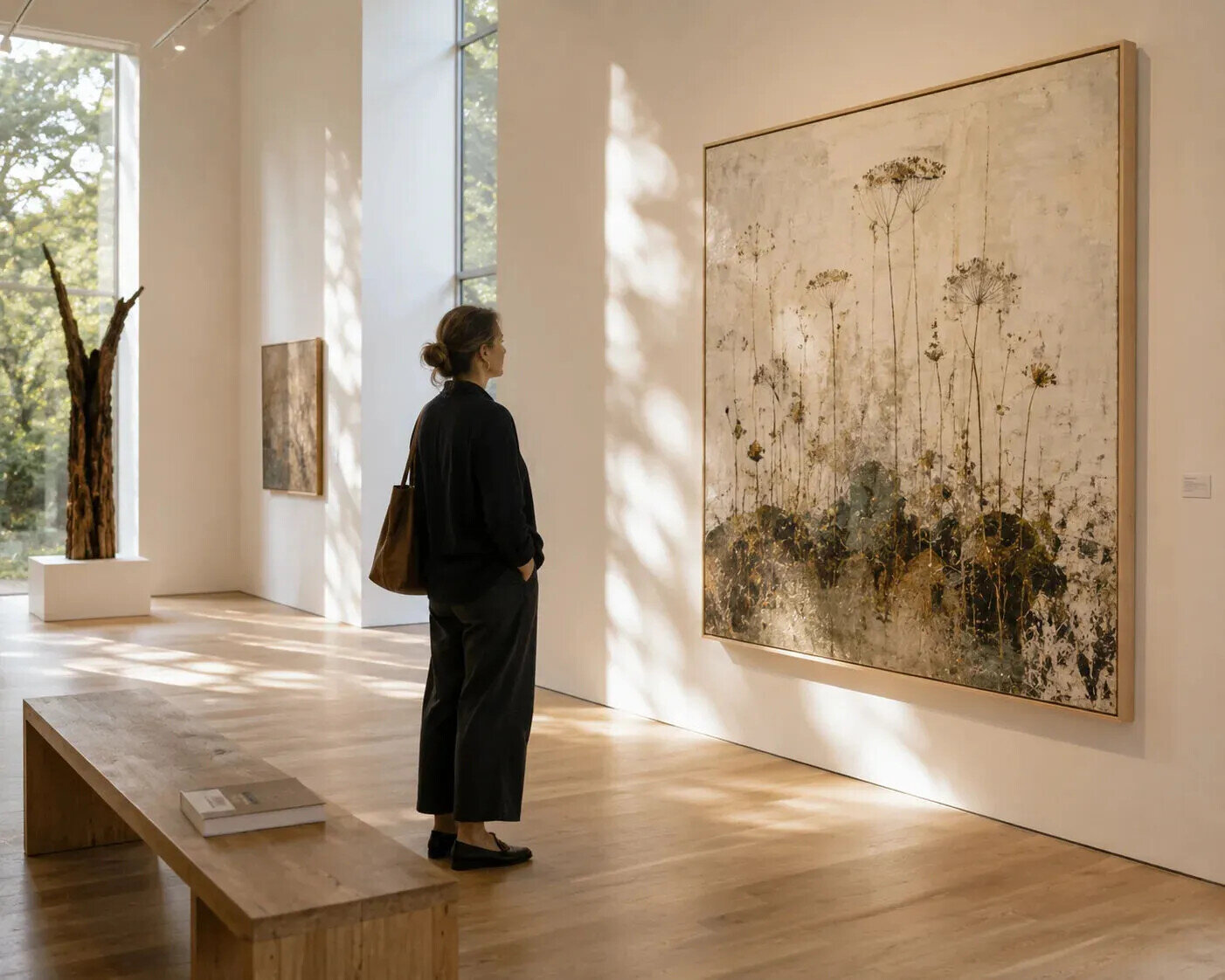
Art invites us to slow down. In a world increasingly characterised by speed and distraction, sustained encounters with artworks can cultivate patience, curiosity and deeper forms of attention. Such moments of contemplation may be among the most valuable contributions that art makes to contemporary life.
New Stories for a Changing World
Every period of profound change requires new narratives. Scientific knowledge can tell us what is happening. Economic models can suggest possible responses. Political systems can establish frameworks for action. Art does something different. It helps us imagine. It creates emotional and symbolic spaces in which new possibilities can emerge. It enables us to think differently about ourselves, our relationships and the futures we hope to create. This may ultimately be the most important role that sustainable art plays.
The future will undoubtedly bring new technologies, new materials and new forms of collaboration. Yet it will also require imagination, empathy and the capacity to envision different ways of inhabiting the world. Artists have always participated in this work of cultural imagination and there is every reason to believe that they will continue to do so.
A Collector Perspective
For collectors, the future of sustainable art begins with artistic quality: the strength of the work, the clarity of the artist's ideas and the depth of the viewing experience. Sustainability can add meaning, but it should support rather than substitute for a compelling artistic practice.
When experimental, reclaimed or biologically derived materials are involved, ask for clear provenance, condition information and documentation of how the work was made. Discuss expected ageing, conservation needs, installation and care, and distinguish specific, evidenced environmental claims from broad language that cannot be verified.
Works by artists with a sustained practice, strong documentation and thoughtful material stewardship may prove of potential long-term collector interest, but future value is uncertain and never guaranteed. Collect with informed confidence, while choosing work you will value living with.
Chapter Summary
- Sustainability is becoming an increasingly important lens through which artists reconsider materials, process and responsibility.
- New technologies and material innovations are opening entirely new creative possibilities.
- Collaboration between artists and scientists is creating powerful new forms of environmental understanding.
- The future of sustainable art will depend upon imagination as much as innovation.
- Slow looking, contemplation and curiosity may become increasingly valuable cultural qualities.
- Sustainable art will not have a single future but many possible futures emerging simultaneously.
Frequently Asked Questions
What will shape the future of sustainable art?
Its future will be shaped by material innovation, artist-scientist collaboration, ecological imagination, careful stewardship and the willingness to develop credible new ways of making and viewing art.
Will technology replace traditional materials and making?
Not necessarily. New technology is likely to sit alongside established materials and attentive making. Many artists combine experimentation with inherited knowledge, using each where it best serves the work and its responsibilities.
What should collectors consider when acquiring experimental sustainable art?
Consider artistic quality, provenance, condition, material stability, expected ageing, conservation and installation needs. Request practical care guidance and documentation, and ask how any sustainability claims have been substantiated.
Continue exploring
The Definitive Guide to Sustainable Art
This guide forms part of Sustainable Art’s independent, evidence-led library for artists, collectors and readers.