Collecting art has never been solely about acquisition. Throughout history, people have collected artworks because they moved them, challenged them or helped them understand something about themselves and the world around them. A collection can become a record of curiosity and a reflection of personal values. It can tell the story of the things we have chosen to pay attention to and the ideas that have mattered to us.
This is particularly true of sustainable art. To collect sustainable art is not simply to purchase an object that happens to have an environmental theme or that has been created using certain materials. It is to support a way of thinking about relationships, responsibility and the role that creativity can play in shaping a more thoughtful future. A work of sustainable art often carries with it a set of questions. How do we relate to the natural world? What do we value? What kinds of futures do we hope to imagine? To live with such works is to remain in conversation with these questions over time.
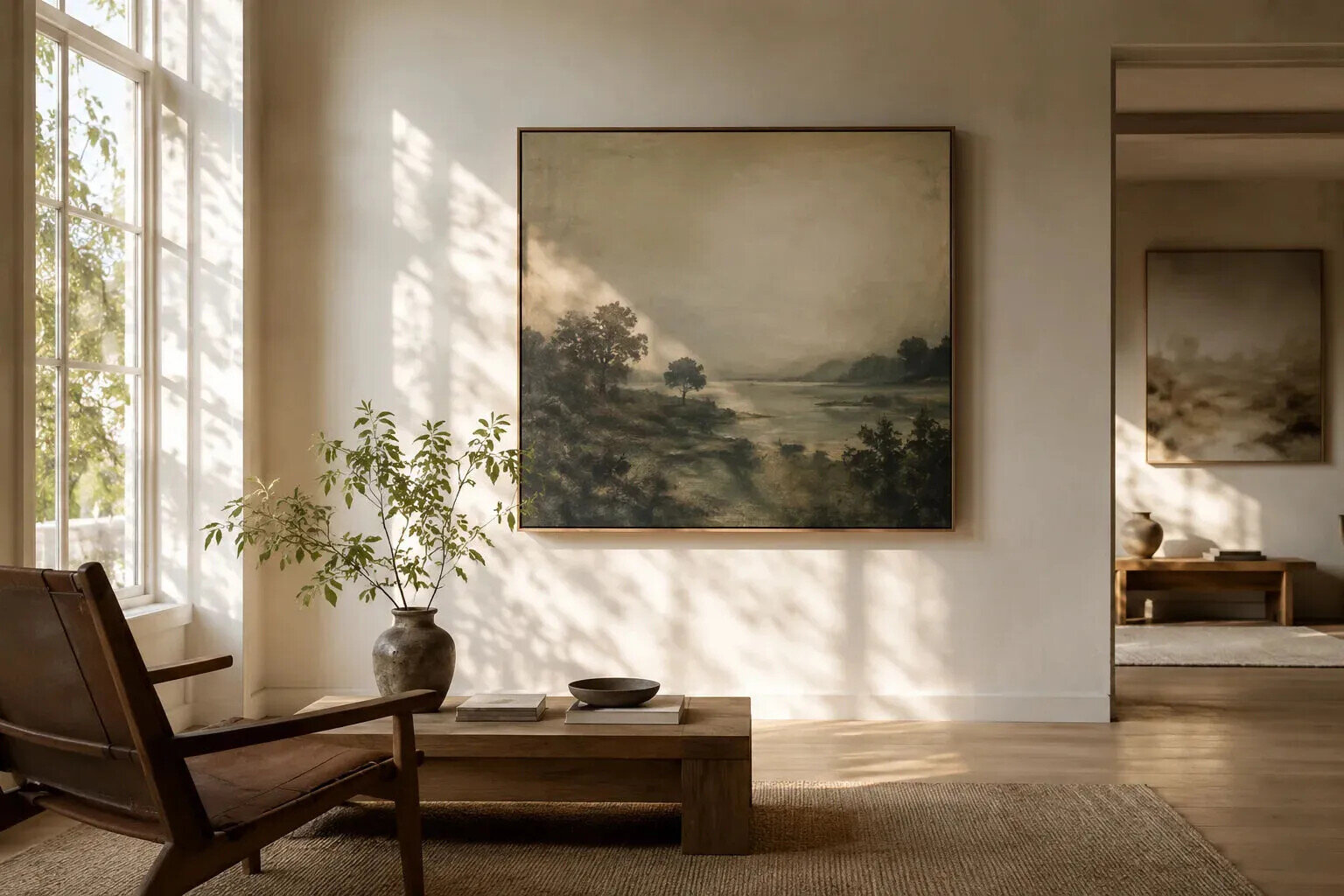
A work of art changes when it enters the home. Encountered day after day, it becomes part of the rhythms of everyday life, quietly shaping memory, mood and perception. Living with art is not simply about decoration; it is about creating an ongoing relationship with beauty, meaning and attention.
Collecting as Participation
There is sometimes a misconception that collecting is a passive activity. In reality, every act of collecting is also an act of participation. Collectors help sustain artistic practices. They enable artists to continue making work, support experimentation and contribute to the cultural ecosystems in which art can flourish. This has always been true, but it feels particularly significant in relation to sustainable art. Many artists working with environmental themes or experimental materials are engaged in forms of practice that require considerable research, collaboration and long-term commitment. To collect such work is therefore to participate, however modestly, in those broader conversations.
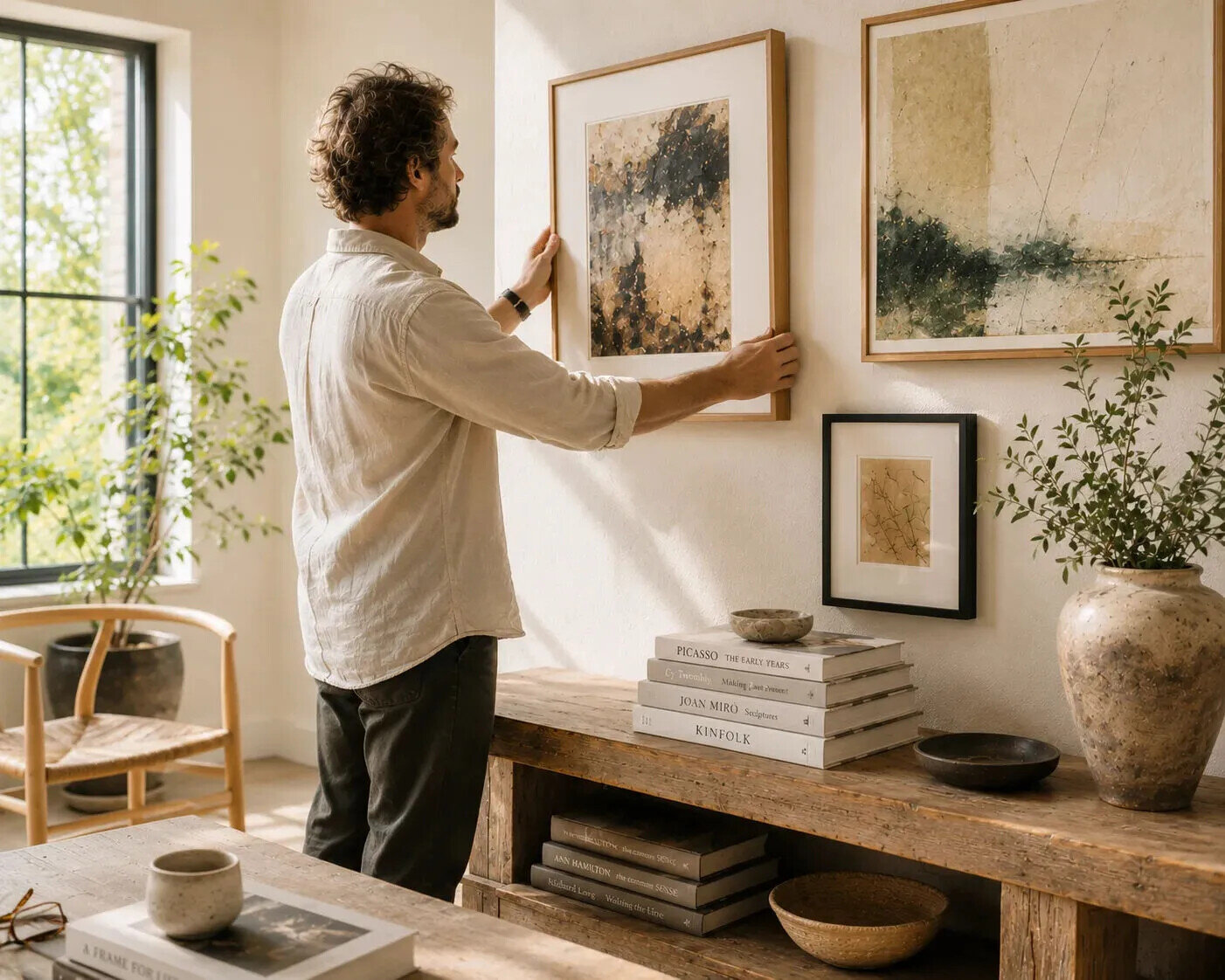
Collecting is not a passive activity. Every decision to acquire, place and live with an artwork represents a form of participation in a wider cultural conversation. Through thoughtful collecting, individuals support artists, encourage creativity and help sustain the environments in which art can flourish.
Collecting with Intention
The contemporary art world often encourages accumulation. Yet many collectors eventually discover that the most meaningful collections are not necessarily the largest. A small number of carefully chosen works can have a profound influence upon the atmosphere of a home and upon the lives of those who encounter them. Sustainable art invites this kind of thoughtful collecting. Rather than asking, "How much can I acquire?" it encourages a different question: "What do I want to live with?"
This subtle shift in perspective can be transformative. To collect with intention is to choose works that continue to reward attention over many years. It is to build a collection that reflects personal values, curiosity and emotional connection rather than trends or short-term considerations. Many collectors discover that this slower and more reflective approach to collecting is ultimately the most rewarding.
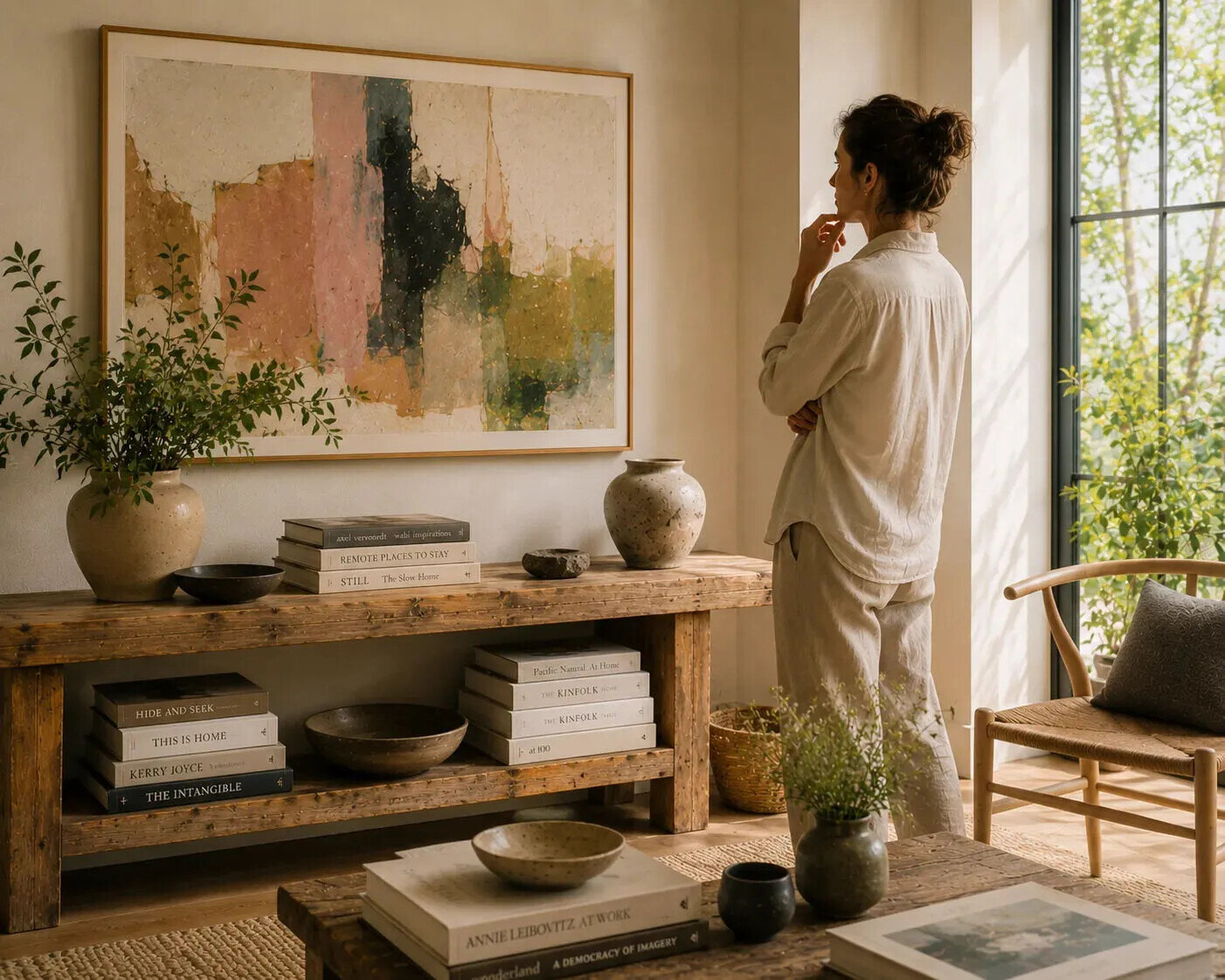
Meaningful collections are often built slowly. Rather than acquiring artworks impulsively, many collectors choose pieces that continue to reward attention and resonate with their values and experiences. Collecting with intention is less about accumulation and more about creating enduring relationships with art
Beauty, Quality and Long-Term Value
Sustainability should deepen the reasons for collecting a work, not replace the qualities that make it worth living with. Artistic merit, beauty, originality, the strength of the artist's practice and the quality of execution remain fundamental. A sustainable artwork may also prove of potential long-term collector interest, but environmental credentials alone cannot establish future value.
Art markets move unevenly and results for individual artists and artworks vary widely. The Art Basel and UBS Art Market Report 2026 described the market's recent recovery as moderate and uneven, a useful reminder that broad market headlines cannot predict the outcome for a particular work. The Financial Conduct Authority warns that fine-art investment offers may involve products it does not regulate, so promises of assured returns should be treated with particular caution. Collectors should buy first because a work has artistic quality and personal significance, regarding any possible financial appreciation as uncertain and secondary rather than guaranteed.
Good documentation strengthens both stewardship and confidence. Provenance is the documented history of an artwork's ownership; it can support attribution and authenticity and reveal gaps or claims that require investigation. Even when acquiring directly from a living artist or their gallery, collectors should retain the invoice, artist and artwork details, certificate of authenticity where supplied, materials and care information, and any exhibition or publication history. A condition report may also be appropriate, particularly for older, fragile or previously owned work.
Longevity depends upon materials, technique, display conditions, handling and care. The Canadian Conservation Institute notes that artworks made from moderately stable materials can survive for generations when environmental risks are controlled, while novel material combinations can introduce particular vulnerabilities. The Getty Conservation Institute similarly documents the distinctive conservation questions raised by biological materials in contemporary art. Collectors should therefore ask how natural, reclaimed, living or experimental materials are expected to change, what care they require and whether that change forms part of the artist's intention.
Living with Meaningful Work
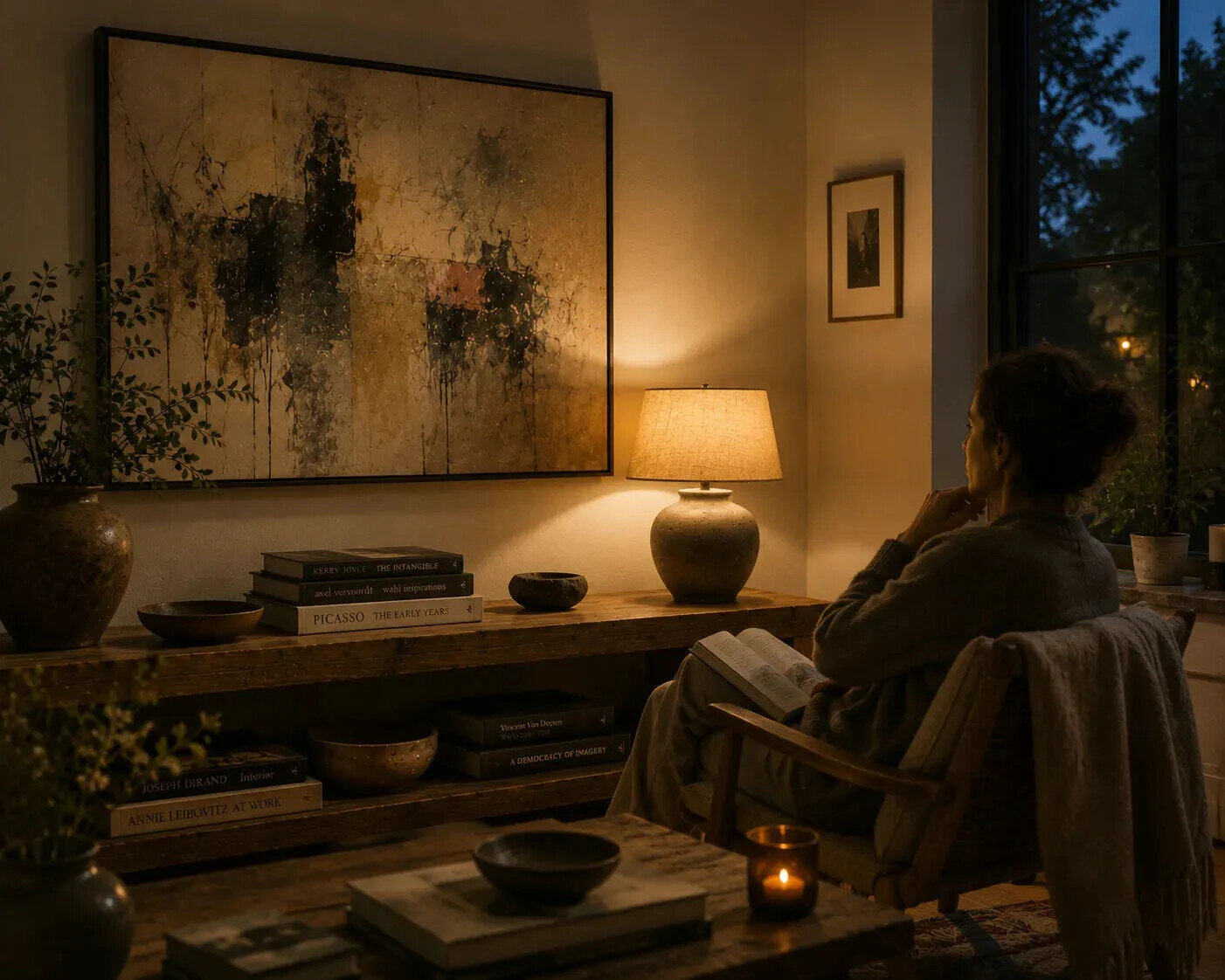
The relationship between collector and artwork does not end with acquisition. Over time, artworks become woven into the rhythms of daily life, gathering memories and associations and quietly accompanying us through different seasons and experiences.
Collecting for the Future
To collect art is also to think about the future. Every collection represents a form of trust. We preserve artworks because we believe that they matter and because we hope that future generations may also find meaning within them. In this sense, collecting and sustainability are deeply connected. Both ask us to think beyond immediate needs and to consider longer timescales. Both encourage forms of care and stewardship. Both ask us to recognise that our choices participate in larger stories. Collecting sustainable art therefore becomes more than an aesthetic decision. It becomes a way of affirming the importance of creativity, imagination and environmental awareness in contemporary culture. In supporting artists who are engaging thoughtfully with these questions, collectors help ensure that such conversations continue to flourish.
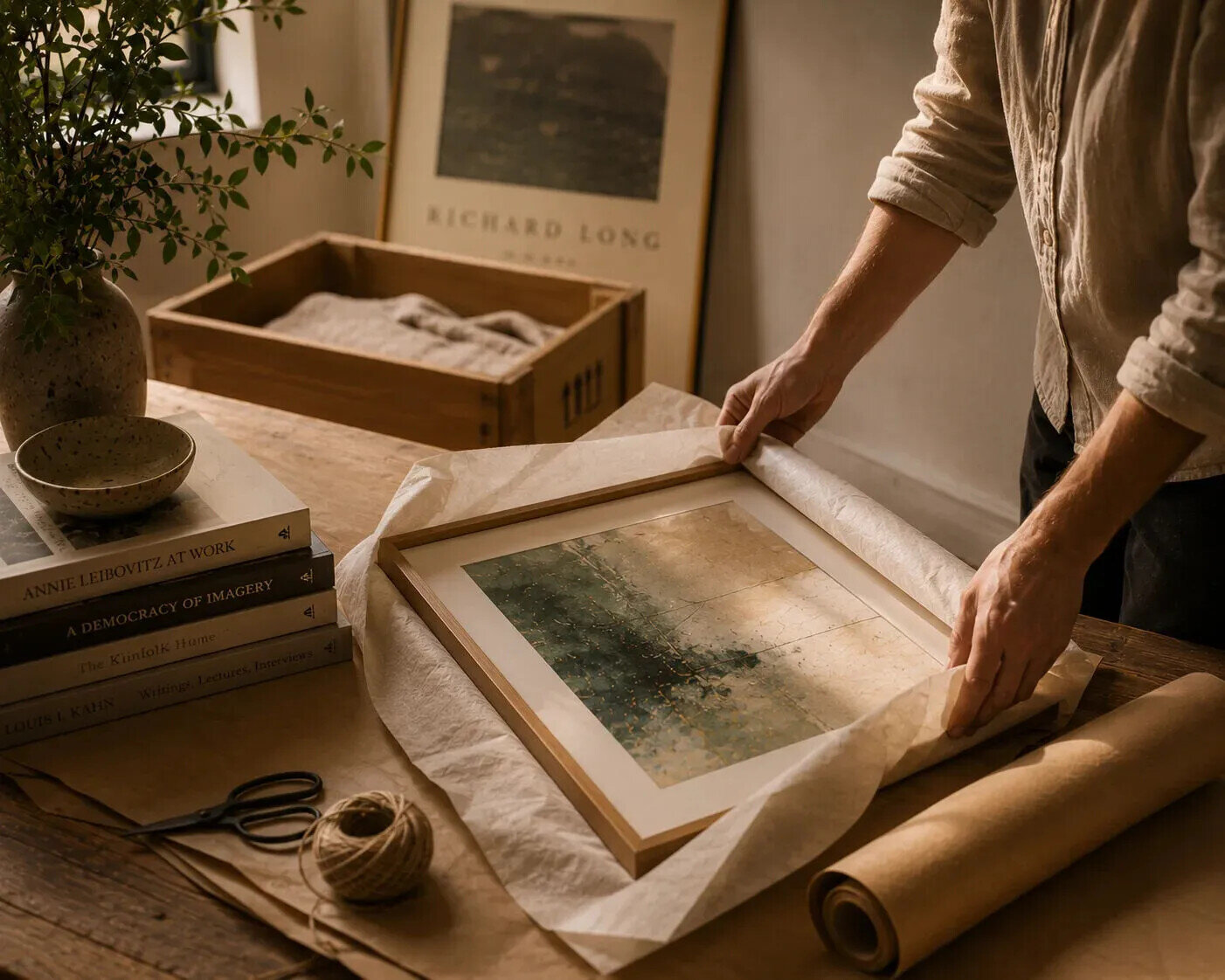
Every collection represents a form of trust. We preserve artworks because we believe they matter and because we hope that future generations may also find meaning within them. Collecting is therefore not only an act of appreciation but also an act of stewardship and care.
Why Sustainable Art Matters to Collectors
The value of sustainable art does not lie solely in its materials or subject matter. Its value lies in the kinds of relationships it encourages. It invites us to pay attention more carefully, to live more thoughtfully and to remain curious about the world around us. It encourages us to consider our place within larger ecological and cultural systems and to recognise that creativity can play an important role in imagining different futures. To collect sustainable art is therefore to participate in an ongoing conversation about what matters and how we choose to live. For many collectors, this is precisely what makes such works so compelling. They are not simply beautiful objects. Rather, they are invitations to think, to reflect and to care.
Questions Collectors Often Ask
What makes sustainable art worth collecting?
The starting point is the same as for any serious work of art: beauty, originality, conceptual strength, quality of execution and the ability to sustain attention. Sustainability can add material, cultural and ethical depth, but it cannot substitute for artistic merit. The most compelling acquisitions bring these qualities together.
Is sustainable art automatically a good investment?
No. A work may prove of potential long-term collector interest, but sustainability does not guarantee demand, liquidity or future appreciation. Collectors should consider the artist's development, provenance, condition, rarity and wider cultural context, while acquiring first because the work is strong and meaningful to live with.
What documentation should accompany an acquisition?
Retain the invoice, full artist and artwork details, provenance information, a certificate of authenticity where supplied, and any available exhibition or publication history. Materials, condition and care guidance are especially valuable for works incorporating reclaimed, natural, living or experimental components.
Can I arrange a private viewing or request further advice?
Continue exploring
The Definitive Guide to Sustainable Art
This guide forms part of Sustainable Art’s independent, evidence-led library for artists, collectors and readers.